Skip to content

Web & mobile applications in Brisbane

Web and mobile applications people come back to.

Customer portals, booking platforms, subscription products and tools for your team. We design the experience, build the interface and the systems behind it, and take it through to production, including accounts, payments and the integrations it depends on.

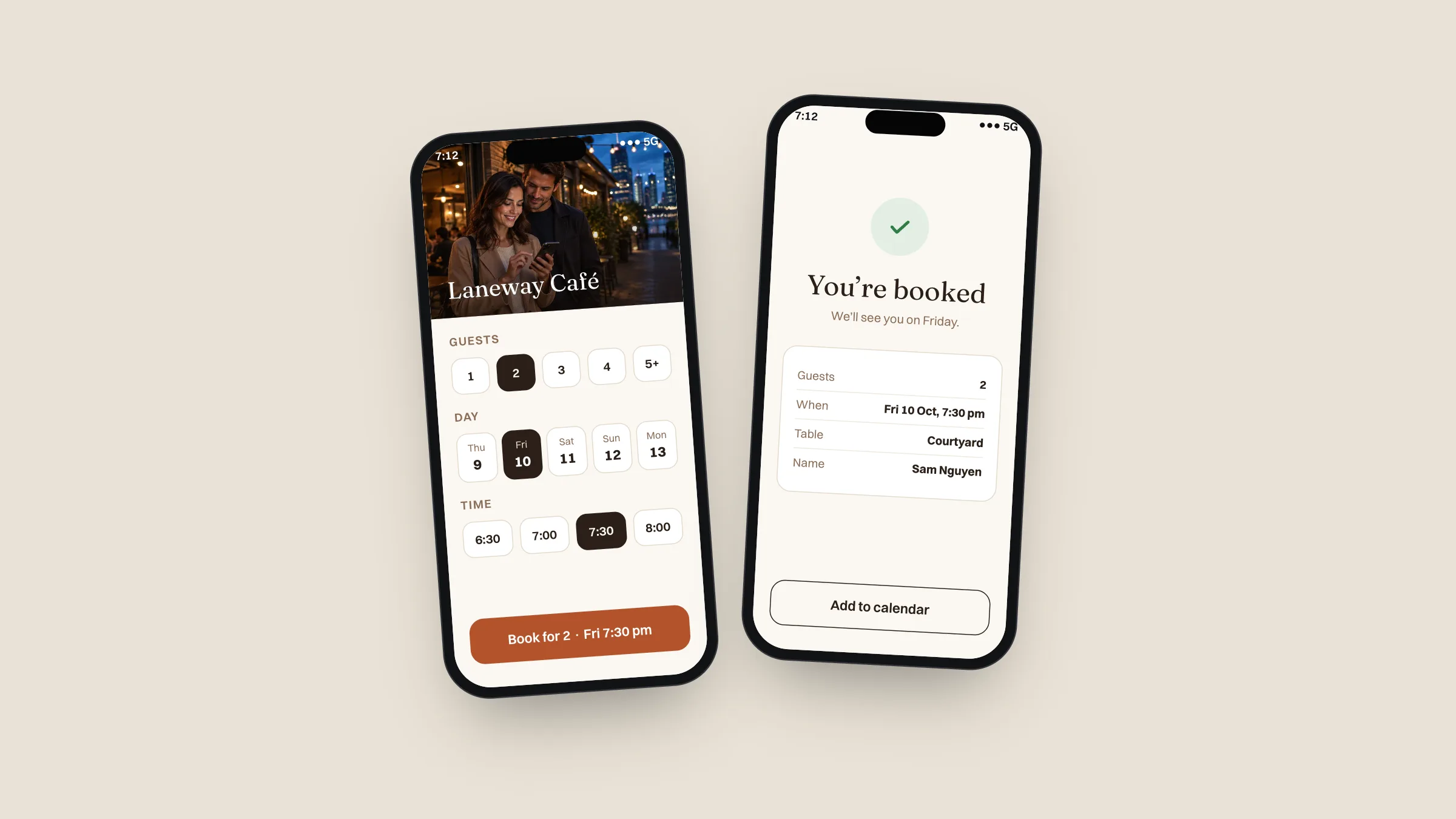
Example booking app on two phones: choosing a table at a café, then the booking confirmation

Web & mobile applications

What’s included

  1. 01

    Product design

    User journeys, key screens and a clickable prototype before production development begins. You see how the product works, and can put it in front of real users, while changes are still cheap.

    User journeys · Interface design · Prototypes

    Learn more
  2. 02

    Web applications

    Dashboards, portals and platforms built to production standard. Delivered in short stages, so there is working software to review from the early weeks.

    Dashboards & portals · Customer platforms · Staged delivery

    Learn more
  3. 03

    iOS & Android

    Mobile apps for both platforms from a shared codebase, covering offline behaviour, push notifications and app store release.

    Shared codebase · Offline & sync · App store release

    Learn more
  4. 04

    Accounts & payments

    Sign-in, roles and permissions, subscriptions and billing. Each person sees only what they need, and important changes are recorded.

    Authentication · Roles & permissions · Subscriptions & billing

    Learn more
  5. 05

    APIs & integrations

    The backend systems your product runs on, and connections to the tools you already use: calendars, accounting, CRMs and third-party APIs.

    Backend systems · Data & storage · Third-party APIs

    Learn more

Signs you need an app, not a website

  • Customers need to log in to do something

    Booking, ordering, tracking a job, managing an account or paying. Once people need their own data, you need an application.

  • You’re running a service through email and spreadsheets

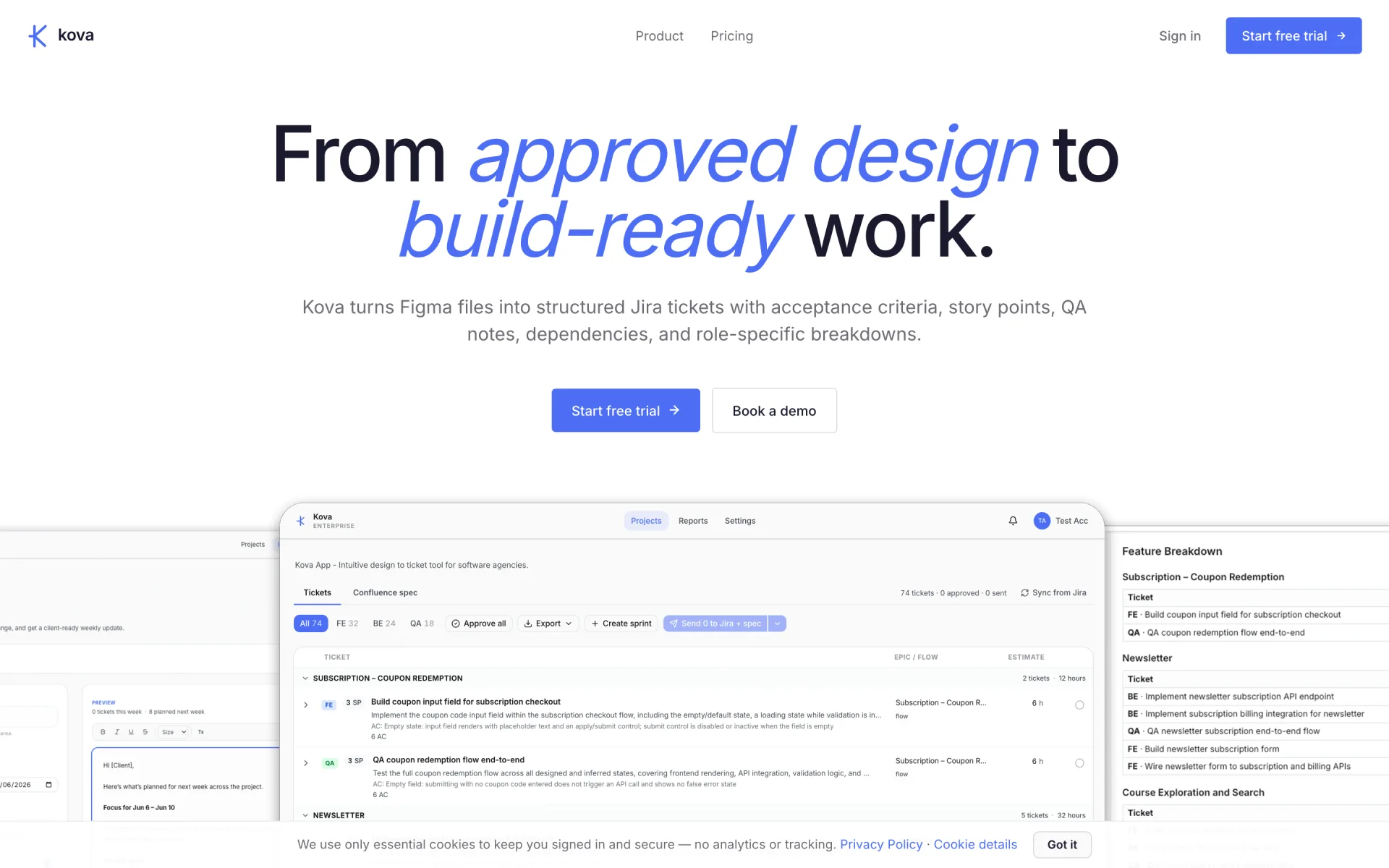
    If customers email requests and your team re-types them into a spreadsheet, a portal can take both steps out.

  • You have a product idea to test

    A focused first version, in front of real users within weeks, is the cheapest way to find out whether an idea works.

  • Your current app is holding you back

    Slow, fragile or impossible to change. A rebuild, planned properly, can be done in stages without switching everything off at once.

  • You want to charge for access

    Subscriptions, memberships and paid tiers need accounts, billing and permissions built in from the start.

  • Staff work in the field

    Technicians, drivers and site staff need a mobile app that works where they are, sometimes without signal.

Is web & mobile applications right for you?

A good fit if

  • You know the core problem the app solves and who it is for
  • You want a first version live in weeks, then improve from real use
  • You need customers or staff to log in and manage their own information
  • You want to own the code and be free to change developers later
  • You can give feedback every two weeks while it is built

Probably not the right fit if

  • You want every feature you can think of in version one. We will push back and shrink the scope first
  • An existing product already does the job well. We will tell you, and it will cost you less
  • The budget is very tight for a customer-facing app. A no-code tool or a smaller first step may suit better

Web app, mobile app or no-code?

No-code app builderWeb appMobile apps (iOS and Android)
Typical first version$2,000–$15,000Fixed quote, scoped to youFixed quote, scoped to you
Works onPhones and desktop, with limitsAny device with a browserInstalled from the app stores
Speed to launchFastest8–12 weeks10–14 weeks
Custom features and integrationsLimited to the platformAnythingAnything, plus phone features
Notifications and offline useLimitedSomeFull
OwnershipTied to the platformYou own the codeYou own the code
Best forInternal tools, testing an idea cheaplyPortals, platforms, most first versionsDaily-use apps, field staff, consumer products

What you get

What you have at handover.

  • Designed and tested product
  • Production release on your own infrastructure
  • Accounts, payments and integrations working
  • Code, documentation and handover

You own it.

The code and intellectual property transfer to you on final payment, into your own repository.

Documented.

Every build is handed over with documentation, so your team or another developer can maintain it.

Supported in writing.

A written agreement defines what we maintain after launch and the response times you can expect.

How it runs

How a web & mobile applications project runs

Fixed scope and price before work starts, working results to review at every stage, and one team from first call to launch.

  1. Weeks 1–2

    Scope and prototype

    We agree who the users are, the one workflow version one must do well, and what waits for later. Then a clickable prototype you can put in front of real users.

  2. Weeks 3–4

    Foundations

    Accounts, sign-in, the database and hosting set up in your accounts. The first working screens to review at the end of week four.

  3. Weeks 5–10

    Build in two-week stages

    The core workflow and integration built in stages. Every two weeks you review working software, not a status report, and changes are cheap because they come early.

  4. Weeks 11–12

    Testing and launch

    Testing on real devices, security checks, launch, and a 30-day warranty while real users arrive. Then we plan version two from what they actually do.

Packages

What you get

Every project is priced on its scope, with a fixed quote after a free 30-minute call, before any work starts.

App, first version

Fixed quoteUsually 8–12 weeks

Book a free 30-minute call

Included

  • Scoping workshop and a written scope for version one
  • User journeys and a clickable prototype before building
  • Design of up to 10 key screens
  • One type of user plus an admin, with secure sign-in
  • The core workflow built to production standard
  • One integration, such as payments or a calendar
  • A web app that works on phones and desktop
  • Working software to review every two weeks, then launch, handover and a 30-day warranty

Not included

  • App store fees (Apple US$99 a year, Google US$25 once)
  • Running costs such as hosting, email, SMS and maps
  • Privacy policy and terms (a starting draft is available)
  • Entering your data or content
  • Support after the warranty (available as a care plan)
Add-ons
  • iOS and Android apps in the stores
  • Extra user type and permissions
  • Extra integration
  • Reporting dashboard

What moves the price

  • Types of user

    Each extra user type (customer, staff, manager, admin) needs its own screens and permissions.

  • Platforms

    A web app is the cheapest starting point. iOS and Android apps in the stores add build and release work.

  • Integrations

    Payments, calendars, CRMs and third-party APIs each bring their own setup and failure cases.

  • Business rules

    Approvals, pricing rules, refunds and exceptions are where most of the effort sits, not the number of screens.

Example: Mixmentor

A focused first version, live with real users

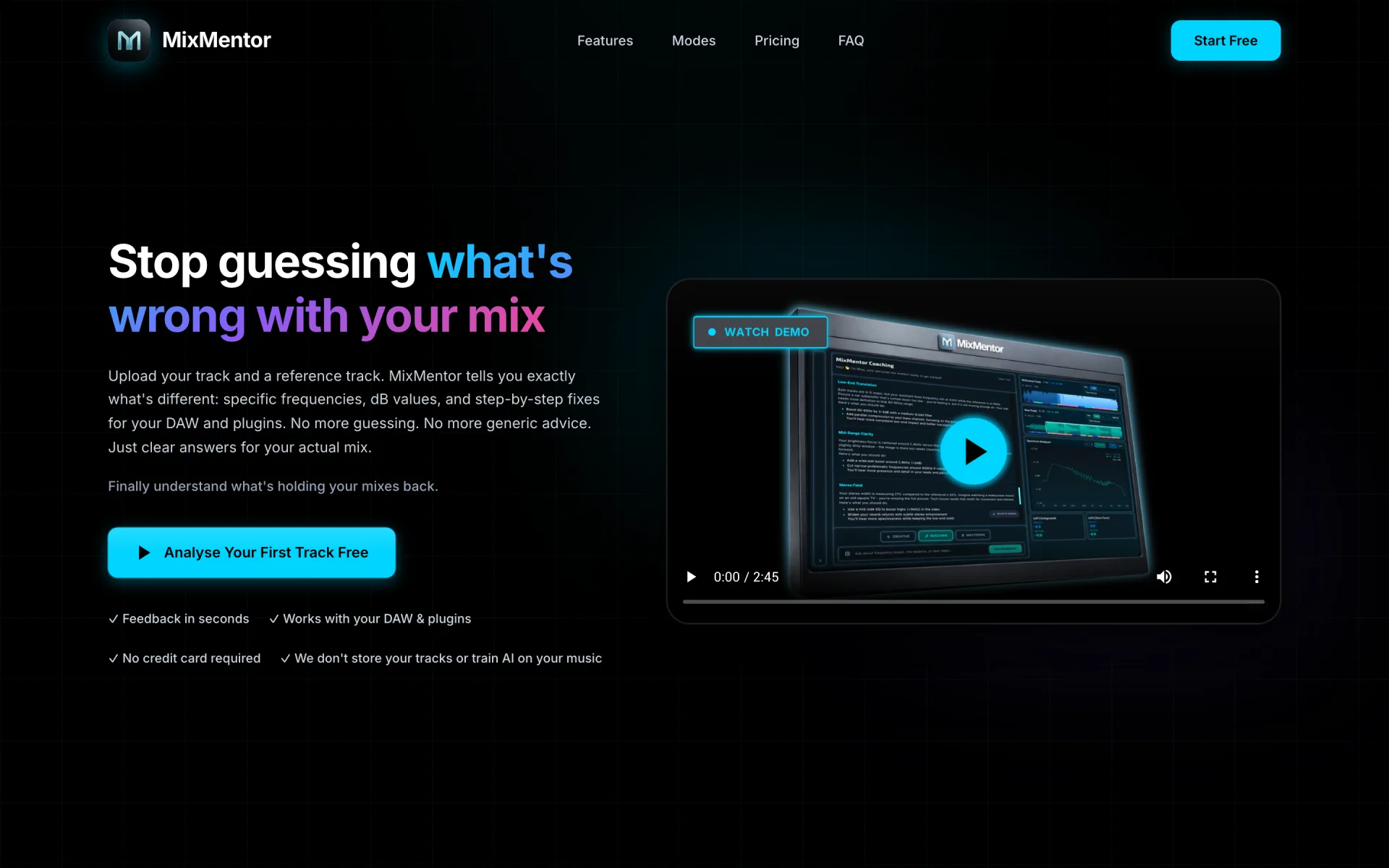
Mixmentor is a browser workspace that compares a producer’s mix with a reference track and explains the difference. We designed and built the first version, including accounts, subscriptions, the audio analysis and an AI assistant. It is live at mixmentor.ai.

Read the case study

Related work

Built and in production.

Where we work

Questions about web & mobile applications

View all articles

Free guide

Is your website quietly losing you enquiries?

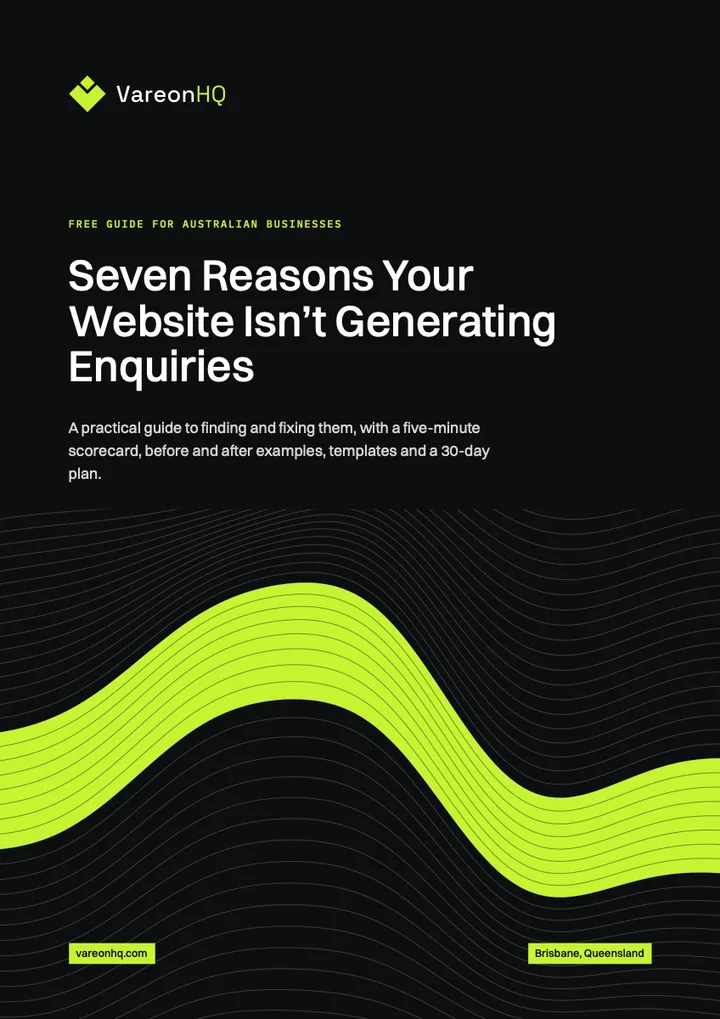
A free guide to the seven reasons small business websites don't bring in work, with a two-minute check and a practical fix for each. What's inside

We'll only use your email to send the guide and these tips. See our privacy policy.

Questions

Frequently asked questions

How much does it cost?

Every app is priced on its scope: the types of users, the core workflow, the integrations and whether you need iOS and Android apps in the stores. You get a fixed quote after a free 30-minute call, before any work starts.

How long does it take?

App, first version: usually 8–12 weeks. We confirm the timeline with the quote, before any work starts.

Should we build a web app or a mobile app?

Most products start as a web app, which works on every device and is cheaper to change. Add iOS and Android apps once the product is proven, or from the start if users need notifications, offline use or phone features every day.

Can you build iOS and Android apps at the same time?

Yes. We build both from one shared codebase, which costs far less than two separate apps and keeps them in step. It is an add-on to the first version.

How do you keep the budget under control?

By shrinking version one to the workflow that matters, pricing it as a fixed quote, and showing working software every two weeks, so problems surface early when they are cheap to fix.

Can you work with our designer or existing designs?

Yes. If you already have designs we build from them, and we will flag anything that will be expensive or awkward to build before it is.

Can you build subscriptions and payments?

Yes: subscriptions, one-off payments, usage limits and customer billing accounts.

Will another developer be able to maintain it?

Yes. We build on established, widely supported technology and hand over documented code, so any capable team can maintain and extend it.

Who owns the code?

You do. The codebase and intellectual property transfer to you on final payment, into your own repository.

More services

The rest of the build.

Enquire

Talk to us about web & mobile applications.

Tell us what you are working on and what you need. An outline is enough to start. We reply within one business day.

Prefer email? hello@vareonhq.com